


The Glue of Judgement
 Judgement is a conditioned response. We all do it; it’s just a matter of degree.
The best use of judgement is to experience it and let it pass as quickly as you can. When you hold on to it for too long, it quickly turns to drama. It then takes on meaning that was never intended and then creates a life of its own. It becomes a noun instead of a verb.
Notice how “Judgement” is a solid entity and “Judging” contains movement. Getting stuck with your judgements is just a matter of keeping them alive by making them solid things rather than mere actions.
When someone says, “You’re always judging me”, that’s a major clue that you’ve come upon a person who is highly judgemental of themselves and others. They easily recognize judgement because it so familiar to them.
When we judge someone, we are revealing our training. There’s a high probability that those who brought you up modeled that behavior and it became second nature to you. Think prejudice. That means to pre-judge. It’s already been done before and, through your training, you’re doing it again.
Like I said, we all do it, so what’s the best remedy for getting unstuck?
-
Judge quickly. That means to allow your judgement to have its say and then let it go. If you dwell on it, it will take up permanent dwelling in your mind. The longer you hold it, the more right you become. Right is the mother of all judgements.
-
Stop passing it on. The Hatfield and McCoy
feud is an enduring saga because it’s become a universal metaphor for ongoing judgement. Keep your judgements to yourself unless you’re on the panel of American Idol.
This doesn’t mean you can’t give wise counsel based on your experience. That’s judicial. A great judge is not concerned with appearing right, just doing what the current situation calls for without the interference of judgement.
Your success with curtailing your amount of judgements is dependent on doing vs. trying. Trying has built-in failure. Doing involves getting involved with your thought process. That means to notice when you are judging. The more you notice, the less you’ll judge. It takes practice.
Remember: You are going up against a family tree of experience. If you try and chop the whole tree down at once, it may fall on you. Noticing allows you to dismantle your judgements one branch at a time. Before too long you have a handsomely pruned tree – one that’s not as quick to judge you or me.
All the best,
John
HOW HEALTHY CAN YOU BE?
LOSE WEIGHT & KEEP IT OFF
STOP SMOKING FOREVER
SLEEP THROUGH THE NIGHT EVERY NIGHT
IMPROVE YOUR SELF CONFIDENCE
RELAX IN 2 MINUTES
VIRTUAL MASSAGE
Be Sociable, Share!
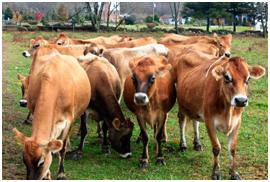 Yesterday I went on an impromptu, one person photo shoot. The weather was perfect and my favorite football team wouldn’t lose until late into the night. I took my trusty new camera out and was headed for the reservoir. It’s a picturesque place, but the sky was drab and the foliage was all but gone. It looked like gray had won the day – not great for a landscape seeking shutterbug.
 I was involved in an interesting conversation about “care” the other day. Have you ever said that someone doesn’t care about you?
 Perhaps I felt the need to justify the tears trickling down my face yesterday when I saw the memorial service for the fallen soldiers at Fort Hood in Texas. Maybe it was because I have a son who was deployed during the Gulf War. Possibly it was the empathy I felt for the families left behind with a gaping hole in their hearts. Whatever the case, I was crying.
 We’ve all been teenagers. If your memory is anything like mine, you want to forget some of the goofy things you did during that period of your life. The list is too extensive to cite all the inane things, but suffice it to say it’s a long list.
 Did you ever notice that your attention is mainly focused on pain, pleasure or emotion?
 Did you ever notice that the word “conscience” is made up of two syllables, “con” and “science”? Can that mean that it’s anti science or worse, a scheme against science?
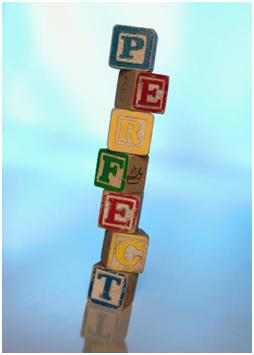 Perfection exists. You just have to adjust your angle of view to see it, and then you’ll have a chance to live it.
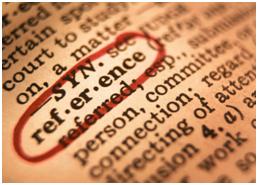 Many years ago I heard my teacher, Dr. Dave Dobson say, “We live our life by reference.” What he meant by that was the action had already taken place by the time it registered in our conscious mind as a thought. His phrase, “Words are the caboose on the choo-choo of life” capsulizes his observation.